These are the resources I use that are linked from the lessons.
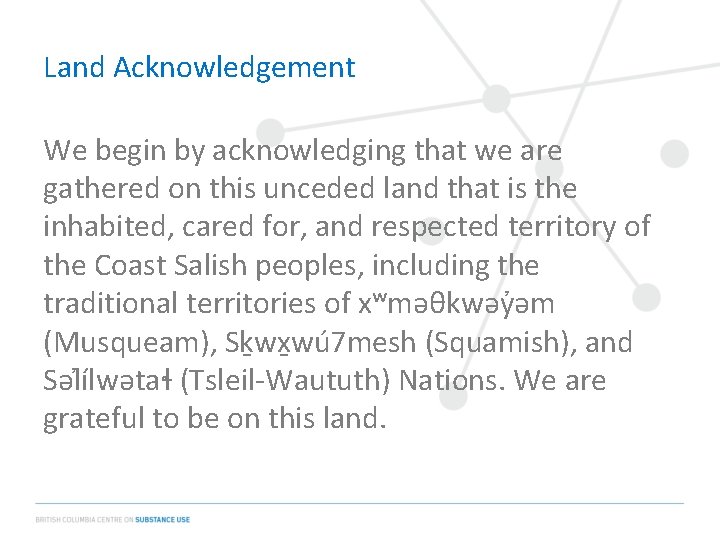
Land Acknowledgement: I HIGHLY recommend doing this prior to teaching a lesson in your classroom. It can be done at anytime, but this is something I show on a PPT/Google/Prezi slide once in a while before I teach a lesson. The L.A. you see is specifically for the land that I’m on. Searching for a L.A. is dependent on the land that you are on right now. I found mine by researching my city’s original people’s name, which is Coastal Salish and Google-image-searched a L.A. relating to its people.
Land Acknowledgement for the Coast Salish peoples. By acknowledging the land that you are on, this allows you to acknowledge that the peoples FIRST lived on these lands and that their lands were historically taken away from them.
From the Northshore School District, this is their handbook which guides their staff on equity for its students, staff, and family-communities. This is my go-to for many of the resources listed in their handbook. Note to Ms. Ayva Thomas and to those involved in the REJ program– you ROCK!!
This connects to Things Fall Apart by Chinua Achebe, Heart of Darkness by Joseph Conrad, and Purple Hibiscus by Chimamanda Ngozi Adichie. I like to scaffold these books and use them as different units. It would go something like this: Igbo Culture (as a pre-unit prior to teaching the other books), Heart of Darkness, Things Fall Apart, and Purple Hibiscus. In examining these books closely, there is a historical timeline when one connects these books together, hence, the scaffolding. I do have to pre-warn you, though…Heart of Darkness can be difficult to read, but if done in small sections, it is easier to understand. Do tread carefully as this can be a difficult subject to talk about. I end my unit with a video, “Belgian Congo (Documentary)” (below) and a summative assessment (essays because I LOVE essays!). This entire unit is recommended for AP literature.
 AAPI Teacher